

Spotting Scopes
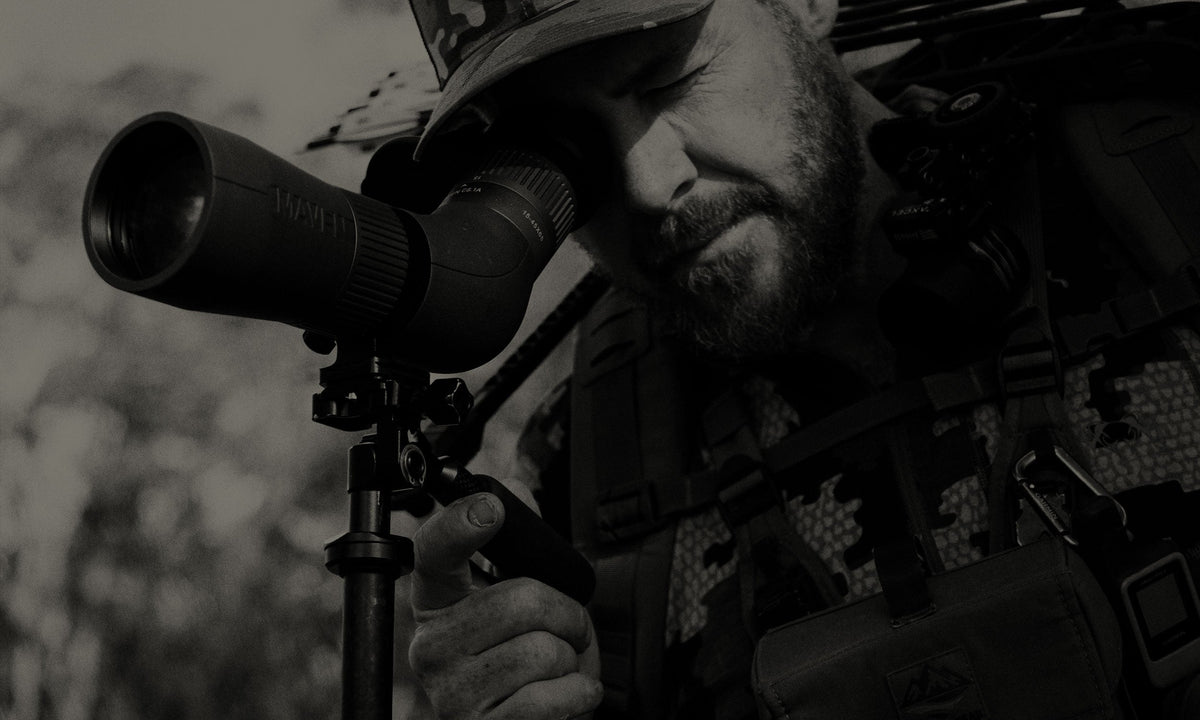
Maven spotting scopes for hunters in Australia and New Zealand. Five models, from the compact CS.1 to the 80 mm S1.2, for glassing a tahr face above the bushline, judging a stag before a long stalk, or filming through the eyepiece. Most come in an angled (A) or straight (S) body. All are covered by Maven's unconditional lifetime warranty, handled here rather than overseas.
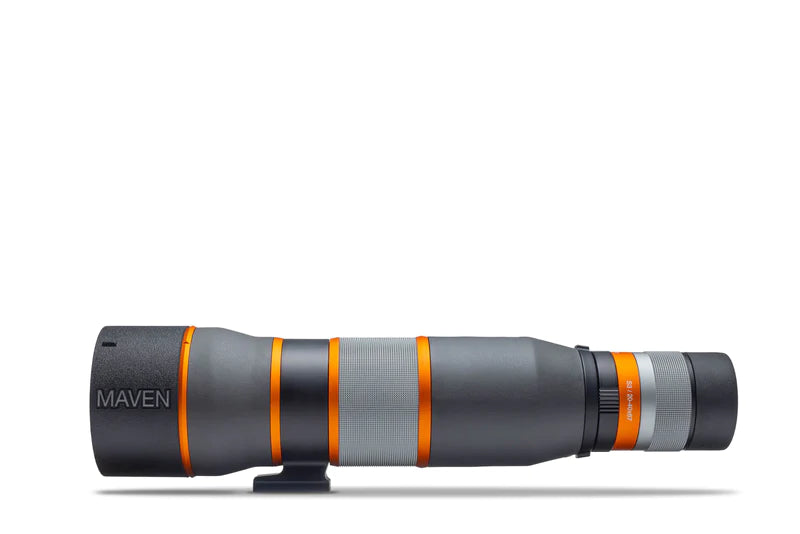
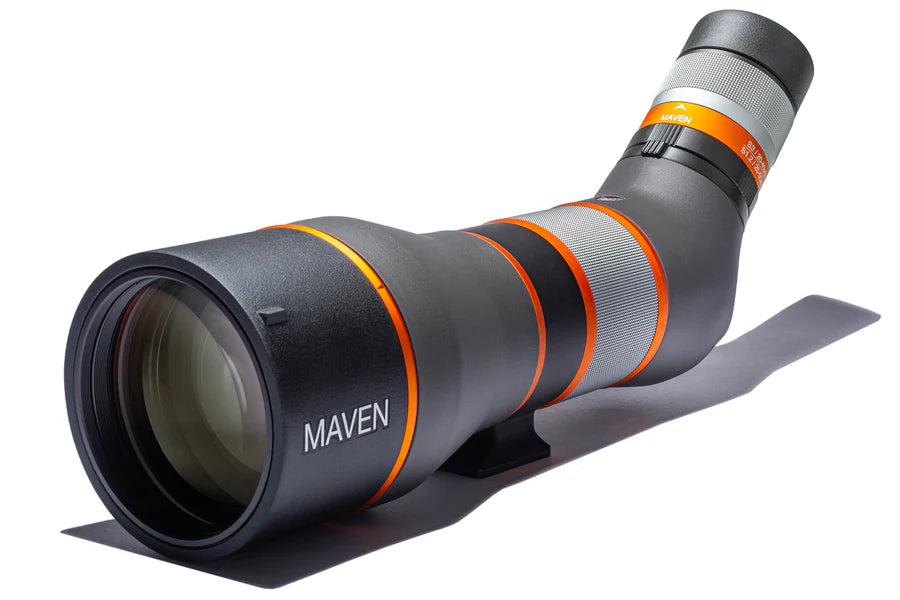
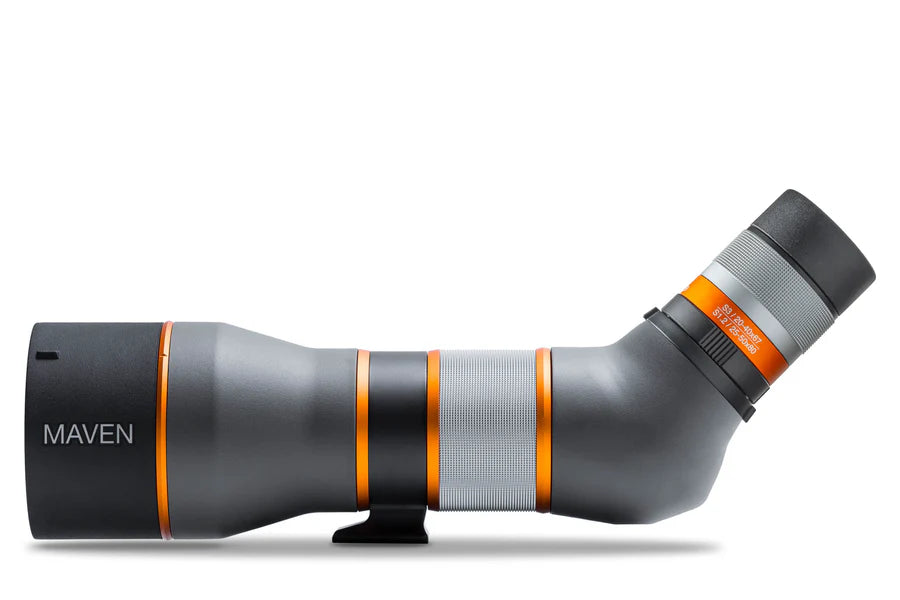
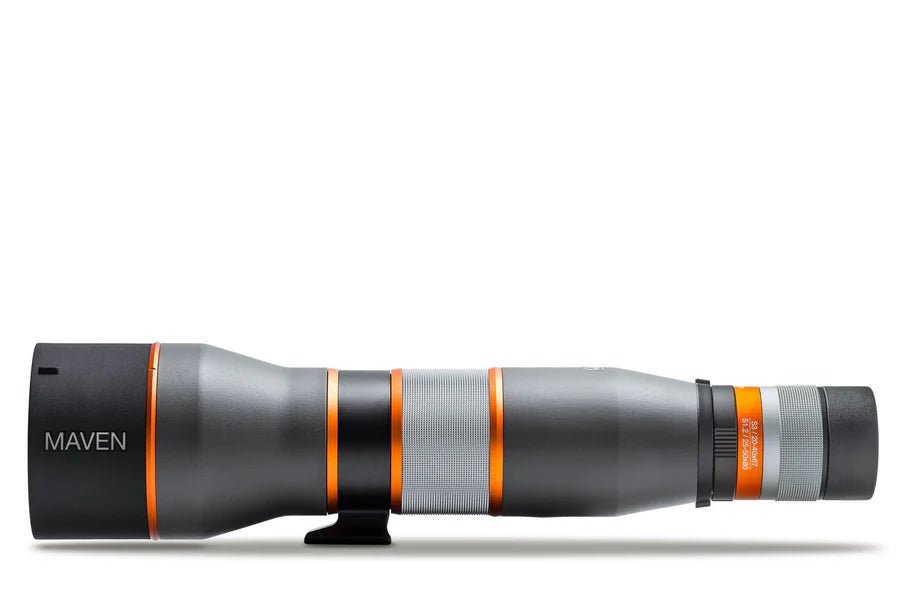
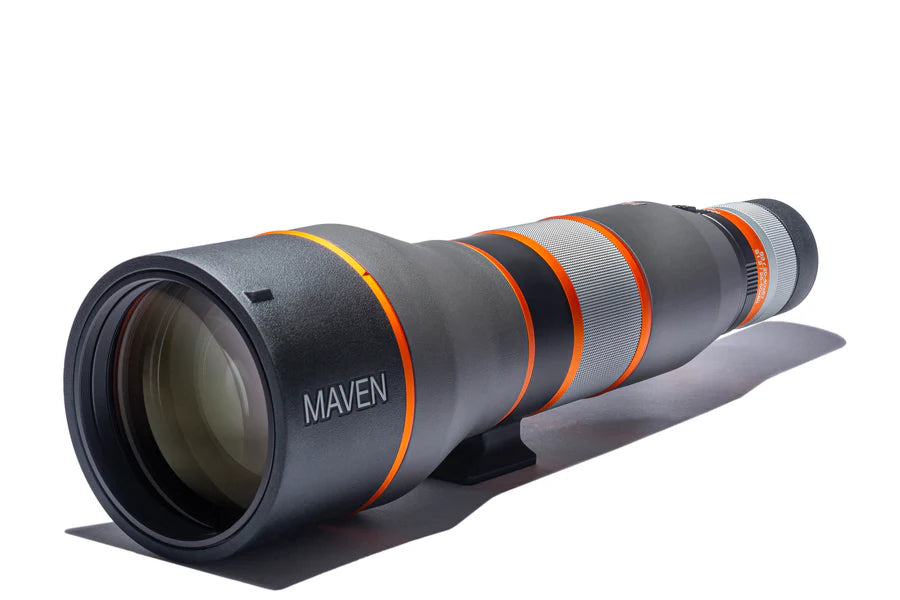
Which Maven spotting scope?
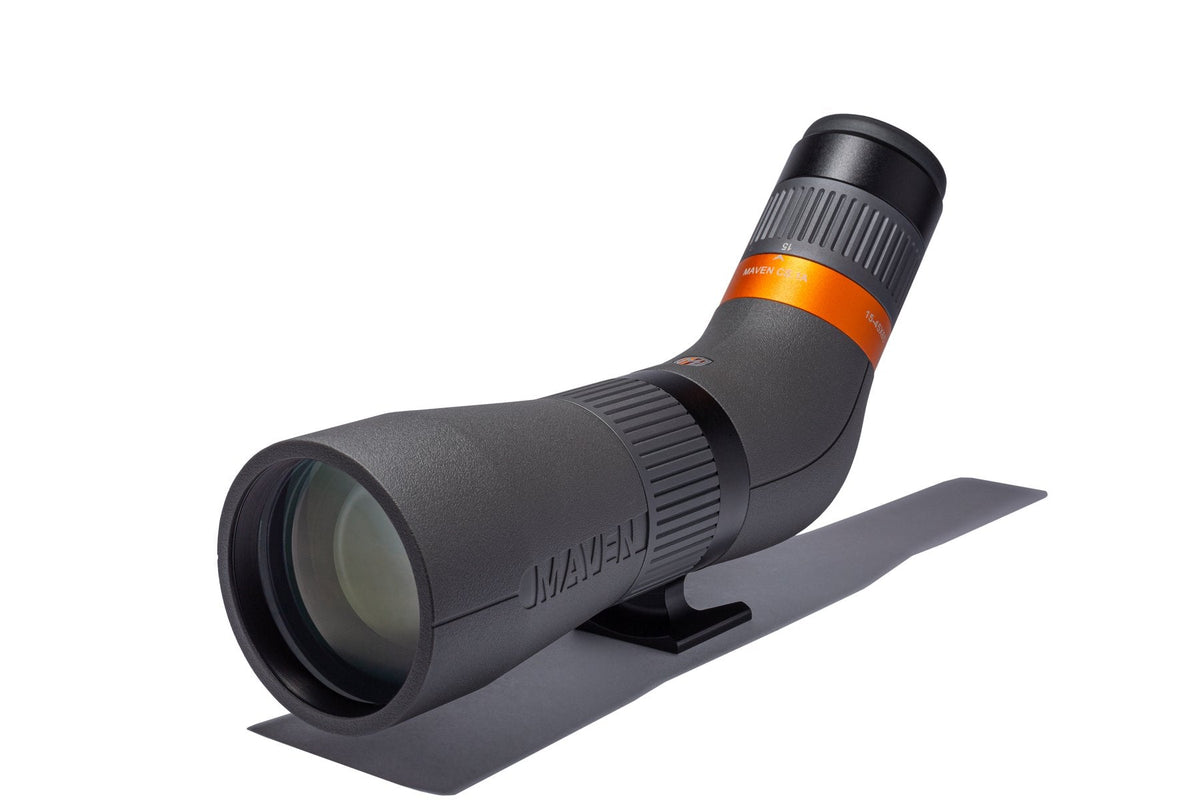
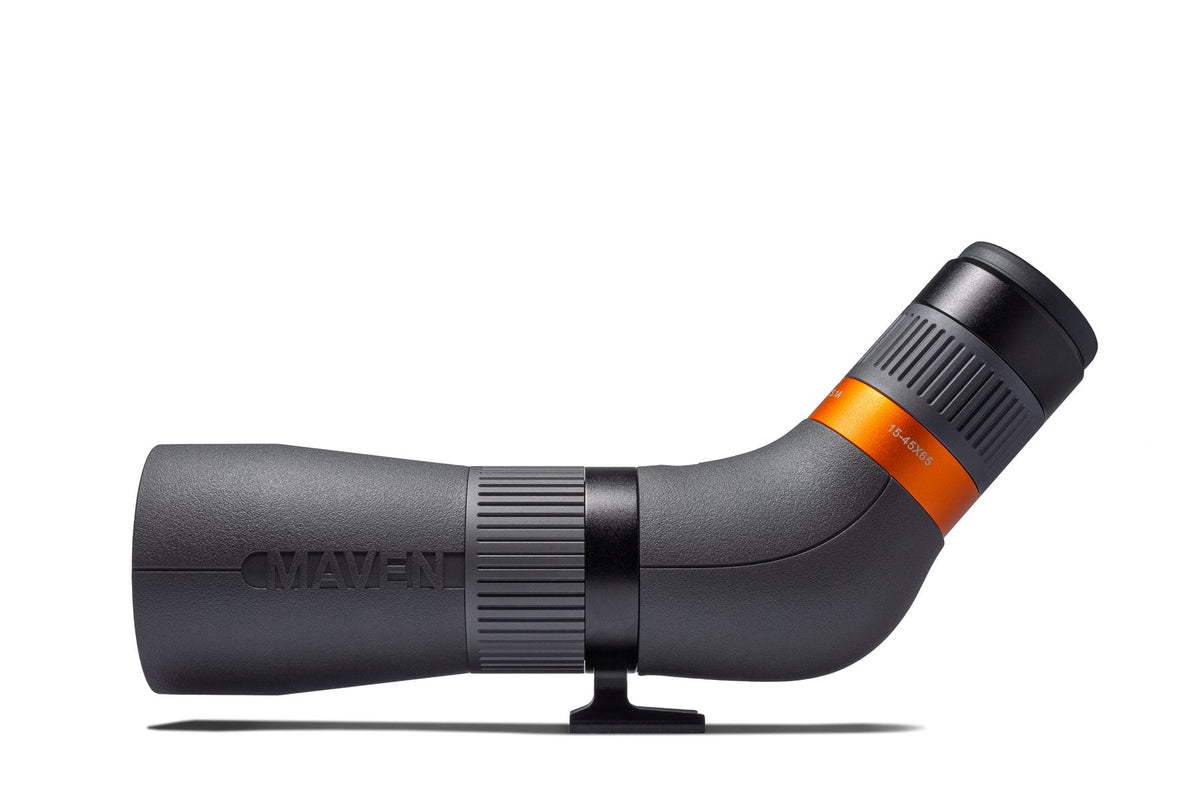
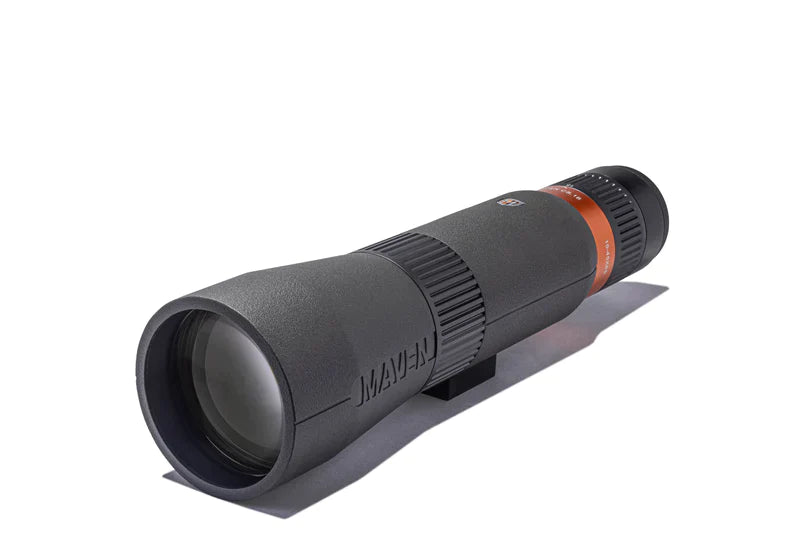
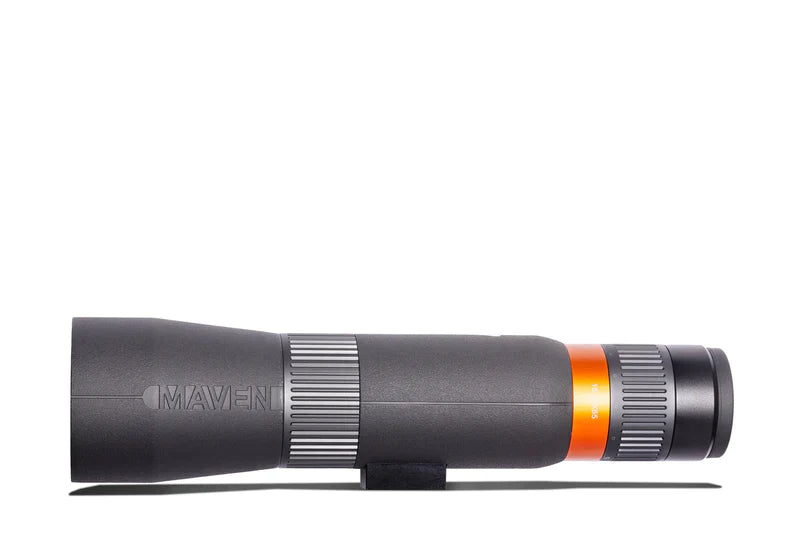
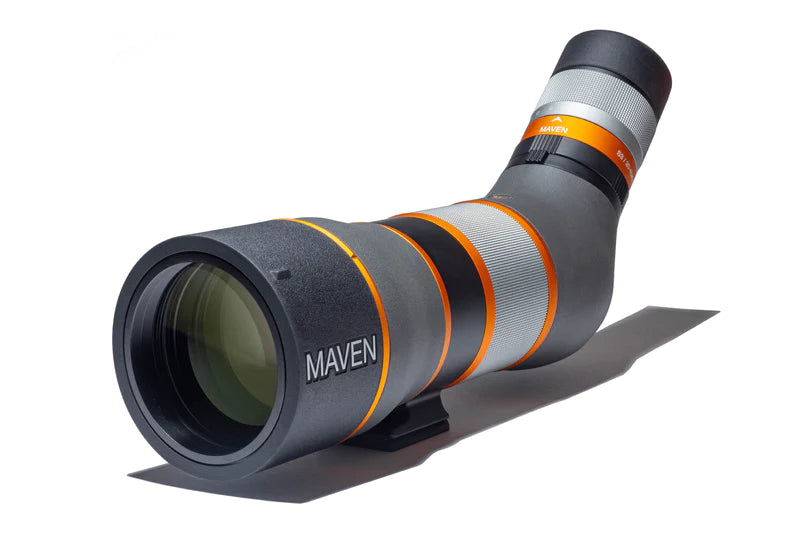
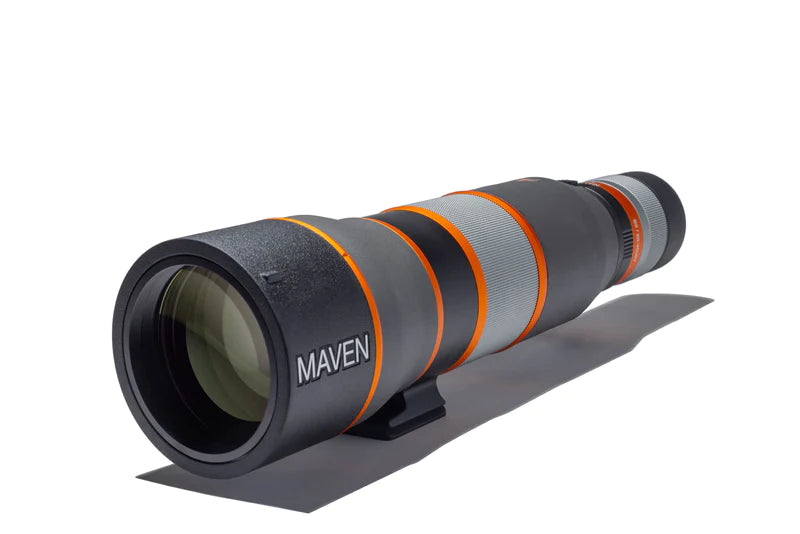
- CS.1A and CS.1S, 15-45x65. The compact one, for carrying all day.
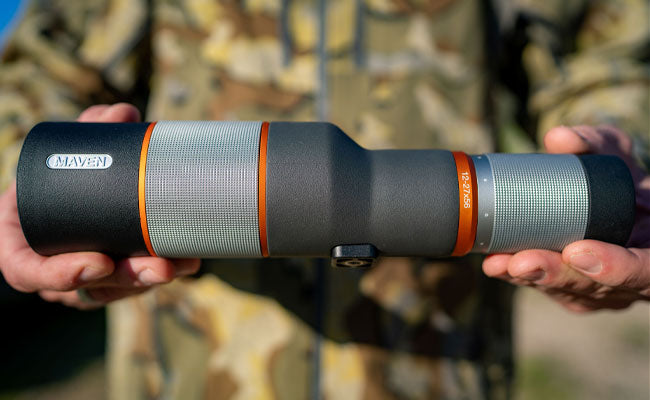
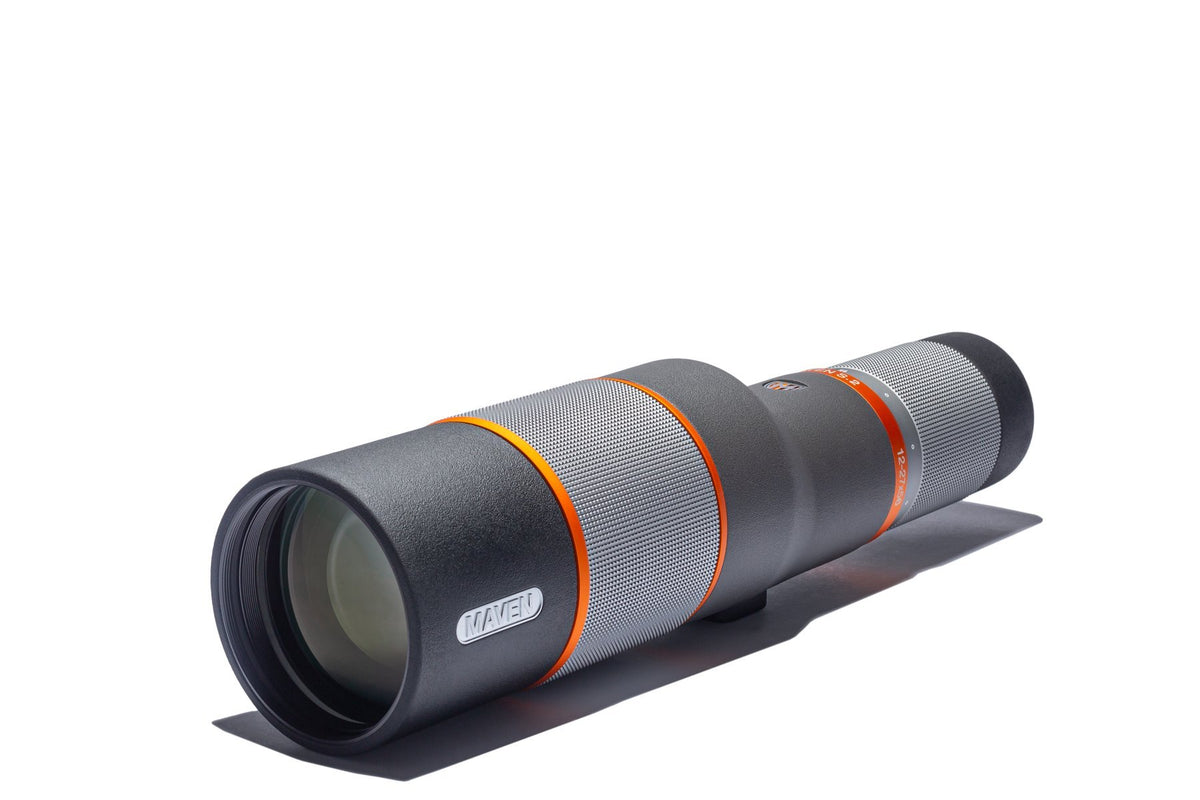
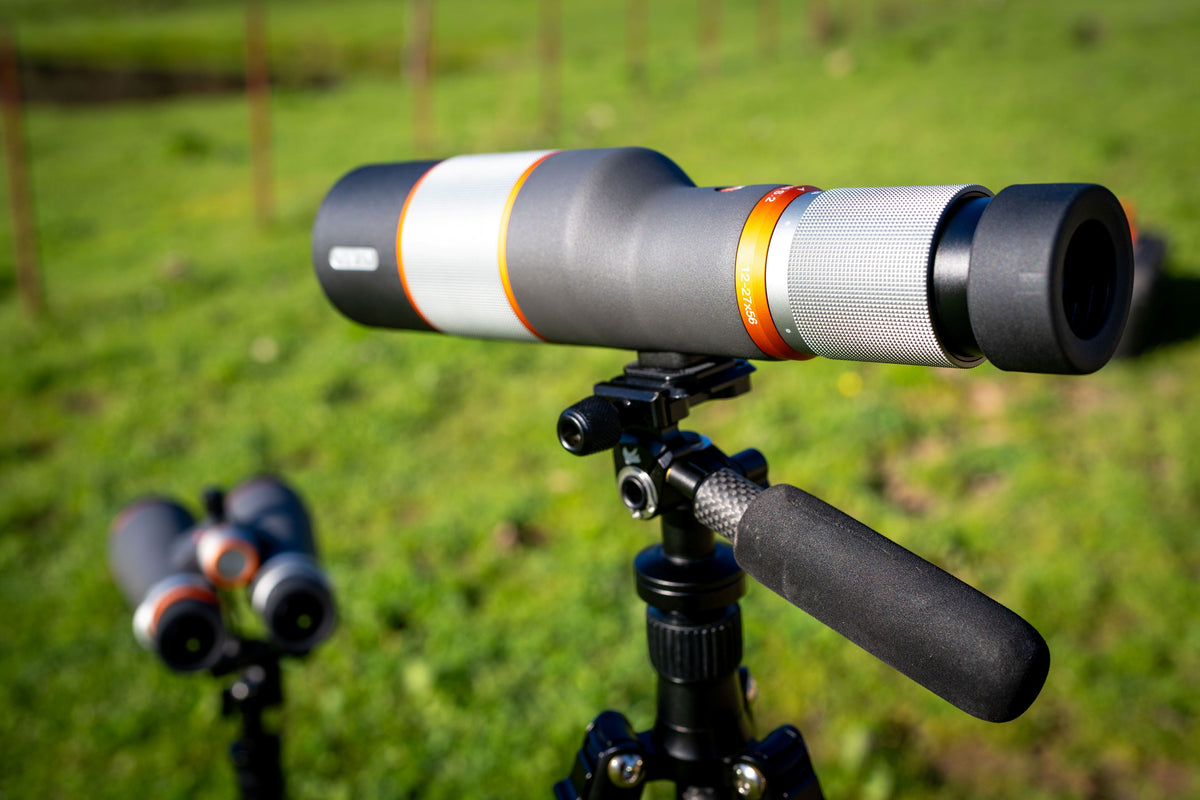
- S.2, 12-27x56. The smallest of the S series.
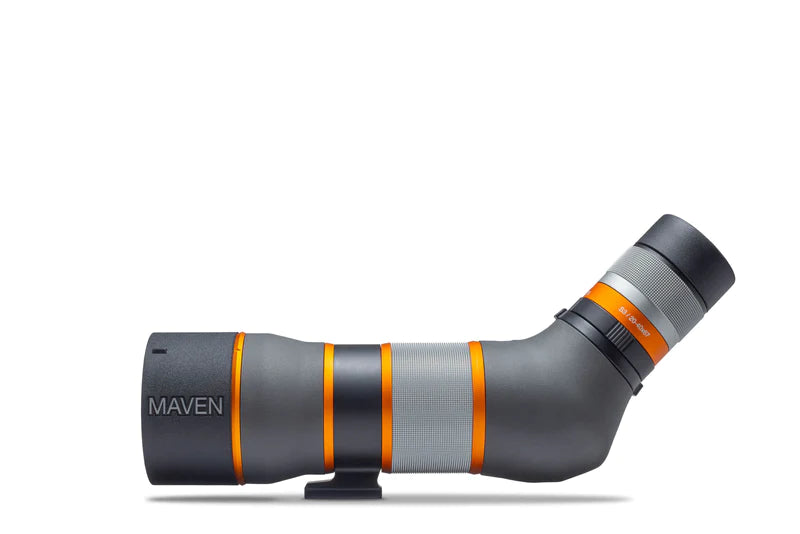
- S.3A and S.3S, 20-40x67. A mid-size S series spotter.
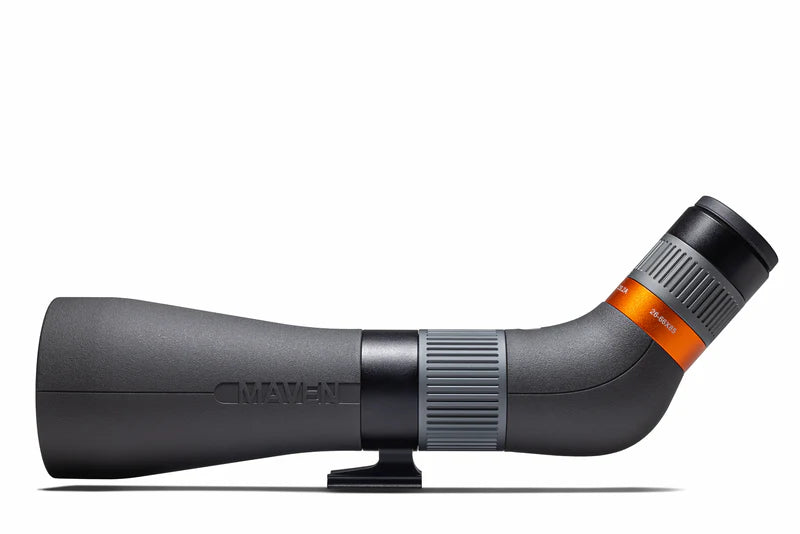
- CS.2A, 26-66x85. The most magnification in the range.
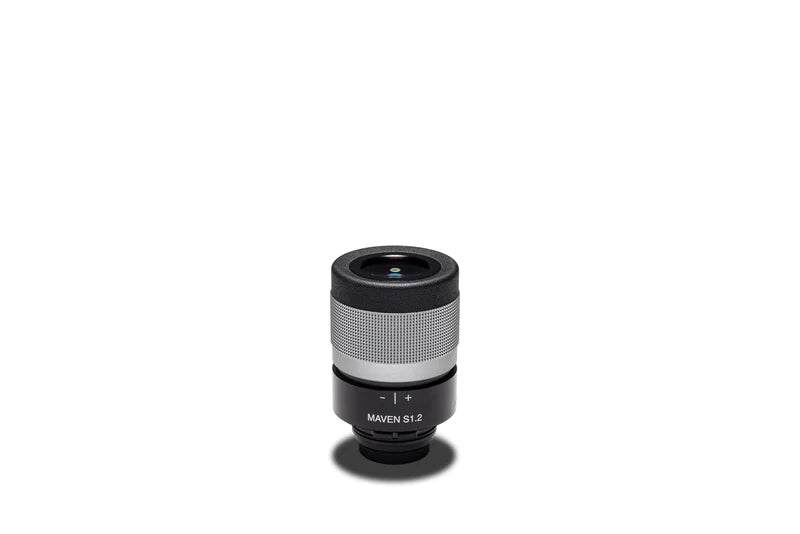
- S1.2A and S1.2S, 25-50x80. The full-size 80 mm S series.
Angled or straight?
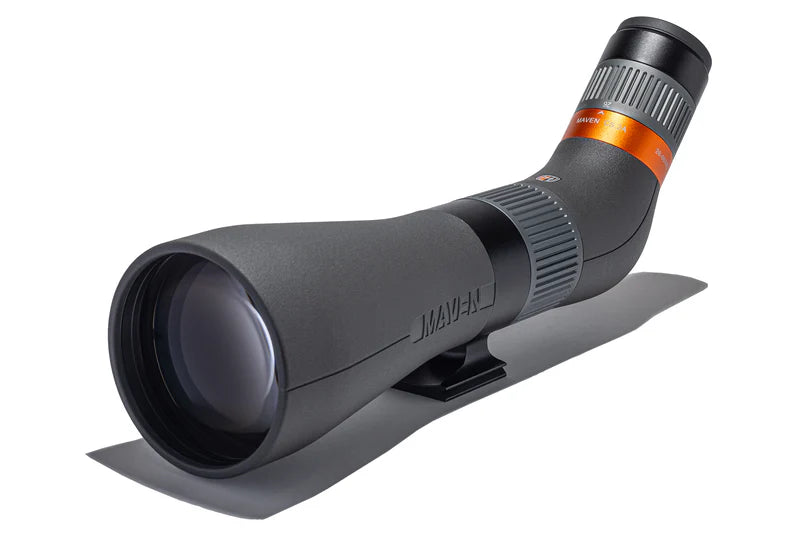
An angled spotter puts the eyepiece at 45 degrees, so you can sit lower behind a tripod and glass uphill comfortably, and it is easier to share between two people of different heights. A straight spotter points where you look, which makes it quicker to get onto an animal and easier to use downhill or from a vehicle window. If most of your glassing is from a seated position on a tripod, angled is the usual choice.
Do I need a spotting scope if I already have binoculars?
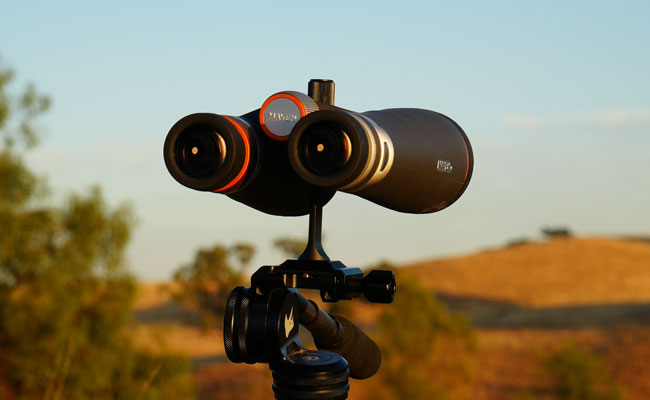
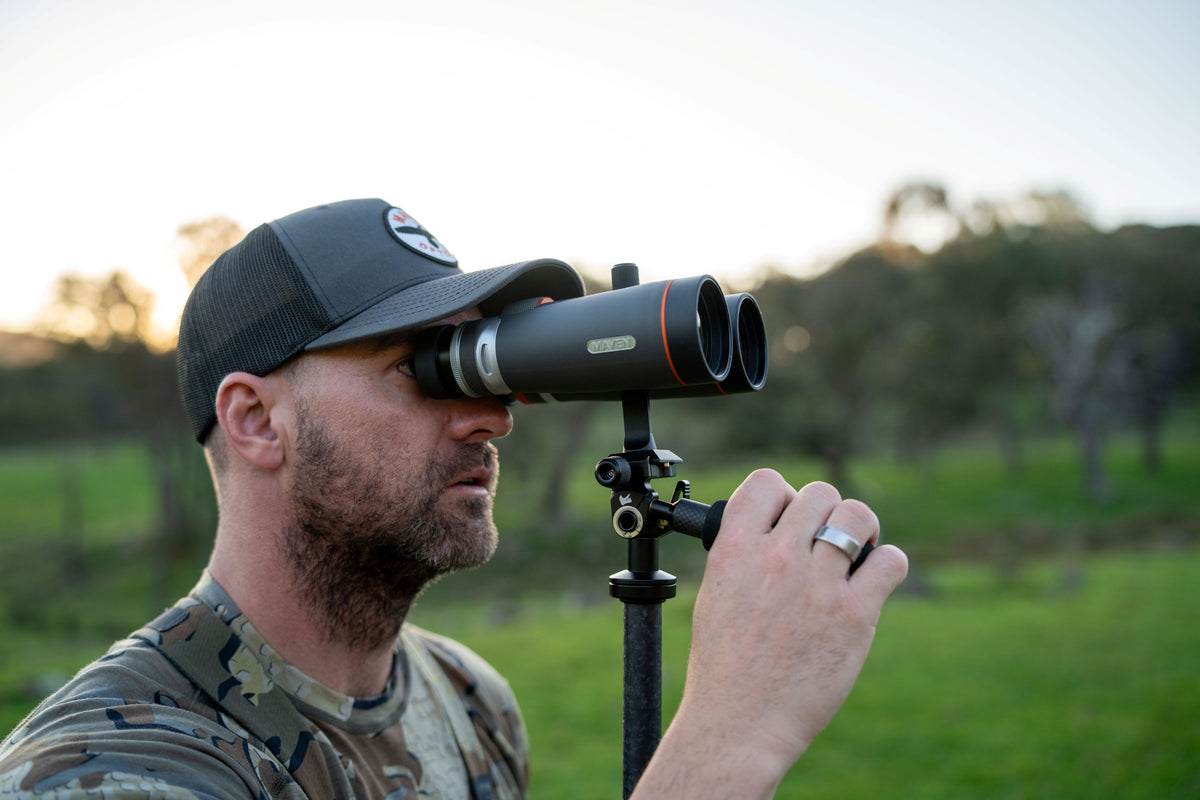
Binoculars and spotting scopes do different jobs. Binoculars, worn around your neck and used constantly, are your primary observation tool. A spotting scope is a precision instrument used from a fixed position: confirming animal ID at distance, assessing trophy quality, calling shots, or watching a hunting partner. Covering open country or alpine terrain, a spotting scope is a real advantage. Rarely shooting beyond 200m in the bush, quality binoculars may be enough on their own.
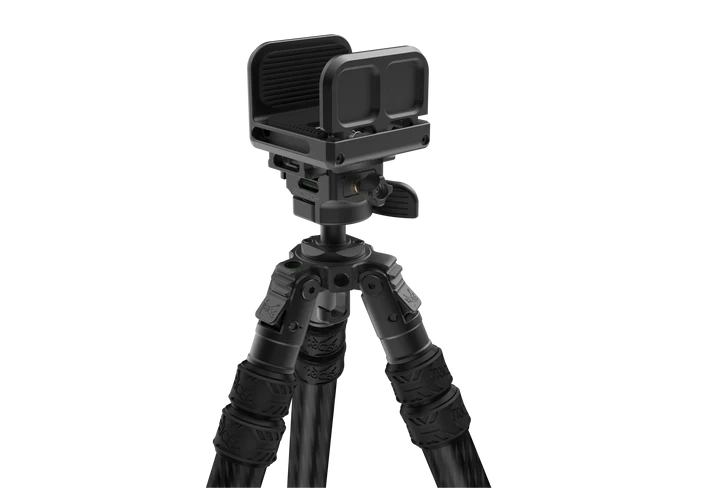
Ready to buy, or not sure which spotter suits your country? Every spotting scope ships free with any second item, anywhere in Australia and New Zealand. Pair one with a Tricer tripod and head, read why hunters glass from a tripod, or get in touch.